
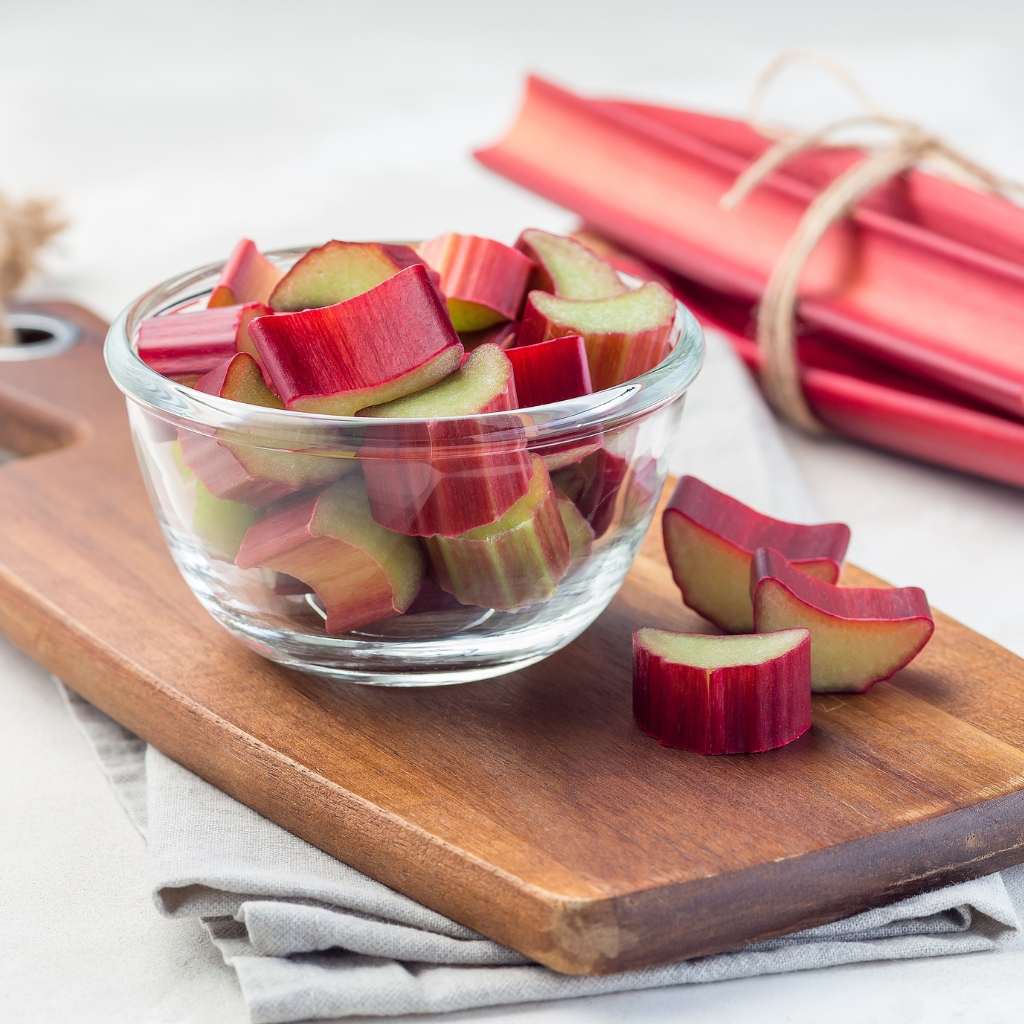
Growing naturally in the wild and known for its distinctive tart flavor, rhubarb (Rheum ribes), also known as ışgın in Turkish, is a unique plant belonging to the buckwheat family. Used for centuries in both culinary traditions and traditional medicine across different parts of the world, rhubarb is prepared and consumed in remarkably different ways depending on the culture.
Turkey and Eastern Anatolia: A Tradition of Eating It Fresh and Raw
In Turkey, rhubarb primarily grows wild during the spring months on the high mountain slopes of Eastern Anatolia, particularly around Erzurum, Van, Bitlis, Muş, and Elazığ. Locally, it is known as “Uçkun” or “Yayla Muz” (“Mountain Banana”).
In Turkey, it is generally enjoyed in its simplest form: the outer skin is peeled away, and the fresh stalks are dipped in salt and eaten raw. In recent years, rhubarb has also become increasingly popular in Eastern Anatolian cuisine in dishes such as rhubarb with eggs, sautéed rhubarb, and rhubarb cooked with olive oil.
England and Europe: The Queen of Desserts and Pies
Known as rhubarb in Western cultures, the plant is used almost exclusively in desserts and baked goods, unlike its traditional use in Eastern regions. It has a particularly long-standing history in British cuisine.
- Rhubarb Crumble and Pie: In England, rhubarb stalks are cooked with sugar, cinnamon, and butter and used as the main ingredient in pies or crispy-topped desserts known as crumble.
- Jams and Compotes: When its naturally tart flavor is balanced with sugar, rhubarb develops a distinctive aroma that pairs especially well with strawberries, resulting in delicious jams and desserts.
- Scandinavia: In Scandinavian countries, rhubarb is frequently used during the summer months to make refreshing compotes and syrups.
Asia and China: More Traditional Medicine Than Cuisine
In East Asia and China, which are considered among the plant’s regions of origin, rhubarb roots have been used in traditional medicine for thousands of years under the name Da Huang. In traditional Chinese medicine, the roots are dried and prepared as tea or in powdered form, traditionally valued for their effects on digestion and their antioxidant properties.
One vital detail to remember when consuming rhubarb is that the leaves contain high levels of oxalic acid and are toxic. For this reason, only the stalks and roots are considered suitable for consumption.